
First-time visitors to Vilnius often stick to the Old Town or venture out to the trendy Station District. Few, however, cross the River Neris to explore the right bank. Locals might say it’s just office buildings and shopping malls, but this area tells a rich and complex story of Vilnius’ post-WWII development. A couple of decades after the Second World War, the Vilnius authorities began planning a new and modern city center on the right bank, an area that had seen little development before, as most of the growth had traditionally been focused on the Old Town across the river. In the 1960s, this area began to transform, showcasing Soviet urban planning and modern architecture. Today, it is a unique blend of history, and hidden gems, with glass towers rising up from the wooden shacks waiting to be discovered. Here’s what not to miss:
National Gallery of Art
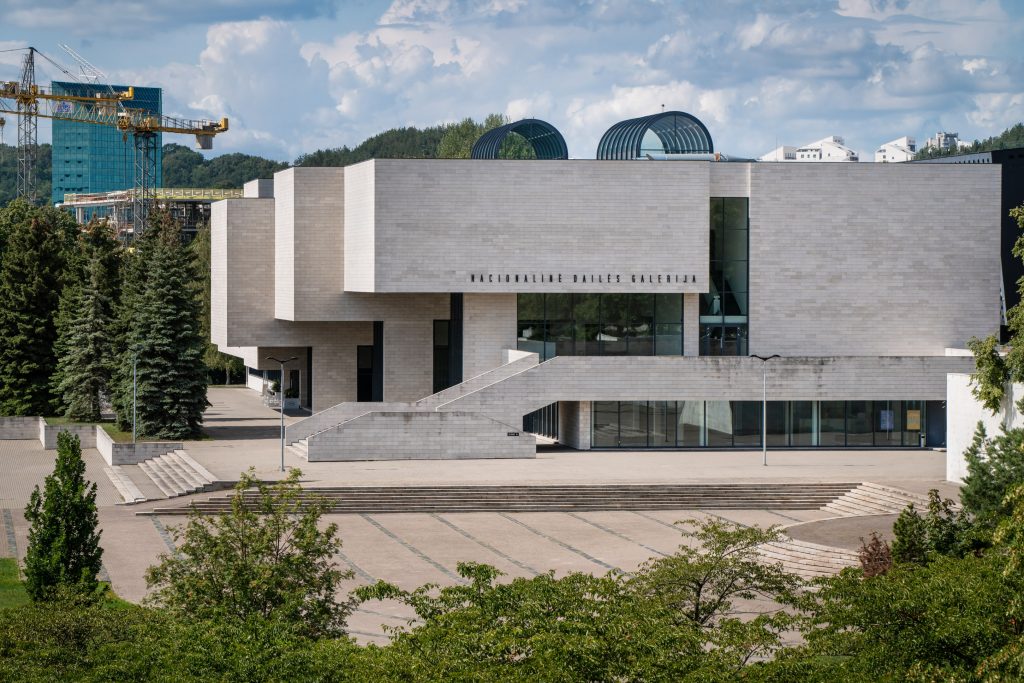 Both the building and the exhibitions are important for experiencing Lithuanian art from the 20th and 21st centuries. Photo by J. Butrimaitė
The National Gallery of Art is an important place for culture, showing Lithuanian and international art from the 20th and 21st centuries. It holds key pieces from the Lithuanian Art Museum’s collection, including paintings, sculptures, and photographs. The exhibition is arranged chronologically, starting at the early 20th century and continuing to today. Each room focuses on a specific theme, giving a view of Lithuanian art from different times and perspectives. It also explains important historical events and typical artistic styles. The story is not only about art but also about how modern Lithuanian society has changed, its history, and its cultural diversity. The gallery organizes temporary exhibitions of local and international artists to share new ideas. Visitors can also enjoy lectures, film events, and other activities. The building itself is an example of modernist architecture, with simple and elegant design that enhances the visit.
Where? Konstitucijos av. 22, Vilnius
More info: National Gallery of Art
Sakura Park
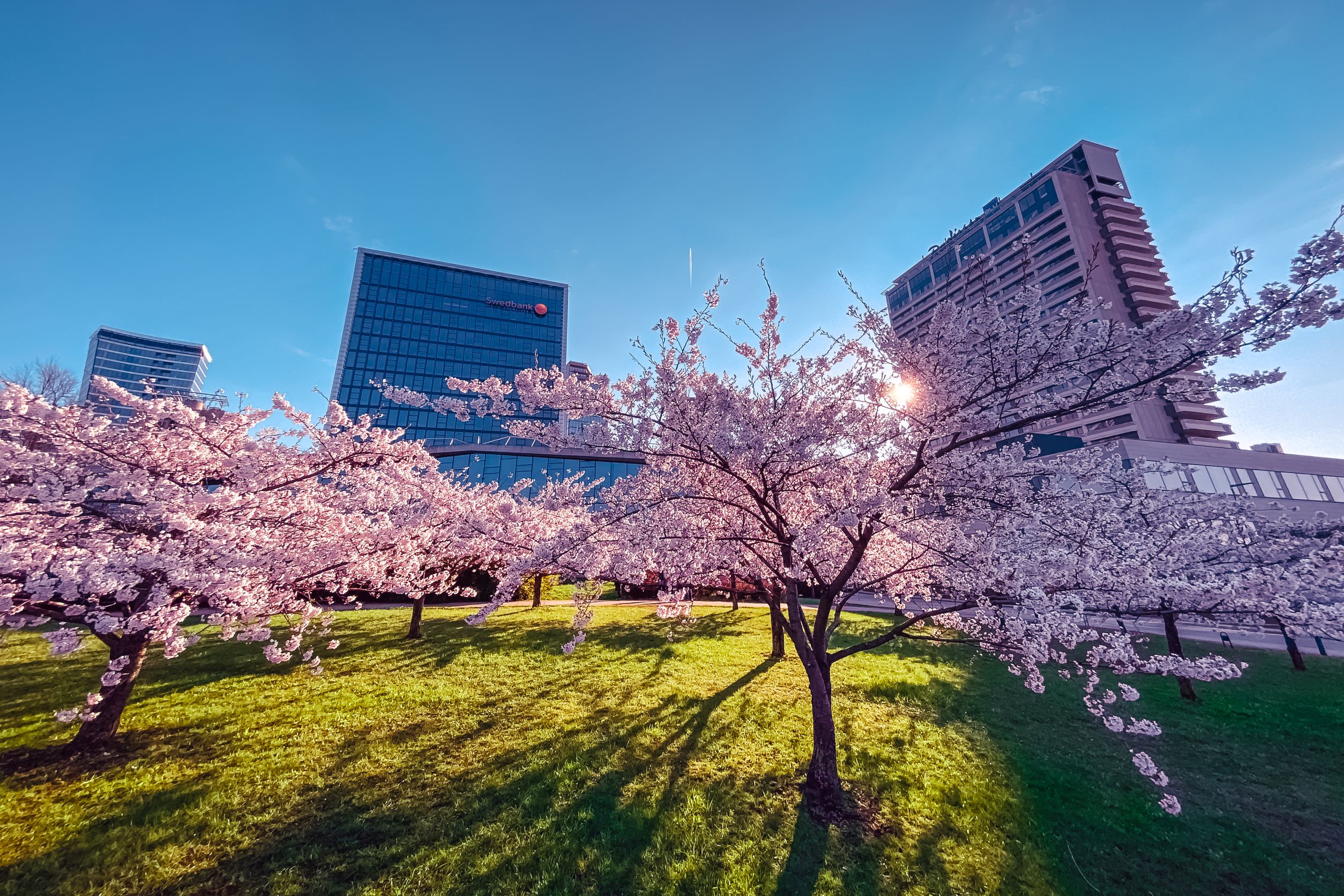 Sakura park in Vilnius blooms every year in the end of April or begining of May. Photo by Gabriel Khiterer GO Vilnius
Located next to the National Gallery of Art, Sakura Park becomes a vibrant and picturesque spot in spring when 200 Japanese cherry trees bloom. These sakura were planted in honor of diplomat Chiune Sugihara, who saved 6,000 Jews from Lithuania and Poland during WWII. The sakura trees bloom for about two weeks in April or May, signaling the arrival of spring. This park is a gift from Japan to Lithuania, symbolizing friendship between the two nations.
Where? Upės str., Vilnius
Šnipiškės
 Šnipiškės inspired many artists and travelers from around the world. Photo from Go Vilnius.
Šnipiškės is a district of striking contrasts, where 19th-century wooden houses stand next to modern skyscrapers. Known as the "Shanghai of Vilnius," it provides a unique look at the city's suburban history. Some streets, like Giedraičių and Šilutės, remain unpaved, and many houses still rely on wood-burning stoves for heat and lack modern plumbing. This creates a rare glimpse into the living conditions of Vilnius from over a century ago. Despite its modest appearance, Šnipiškės is one of the most sought-after areas in the city because of its central location. The land here is incredibly valuable, with prices exceeding 100,000 euros per acre. This has made the district a hotspot for real estate interest, but many of the long-time residents of the wooden homes are reluctant to sell. Exploring Šnipiškės feels like stepping back in time, offering a fascinating and authentic experience of Vilnius’ past.
Want to discover Šnipiškės at your own pace? Check out this self-guided tour: Neakivazdinis Vilnius: Self-guided tour of Šnipiškės
Where? Giedraičių str. 46, Vilnius & Šilutės str. 15, Vilnius
Kalvarijų Market
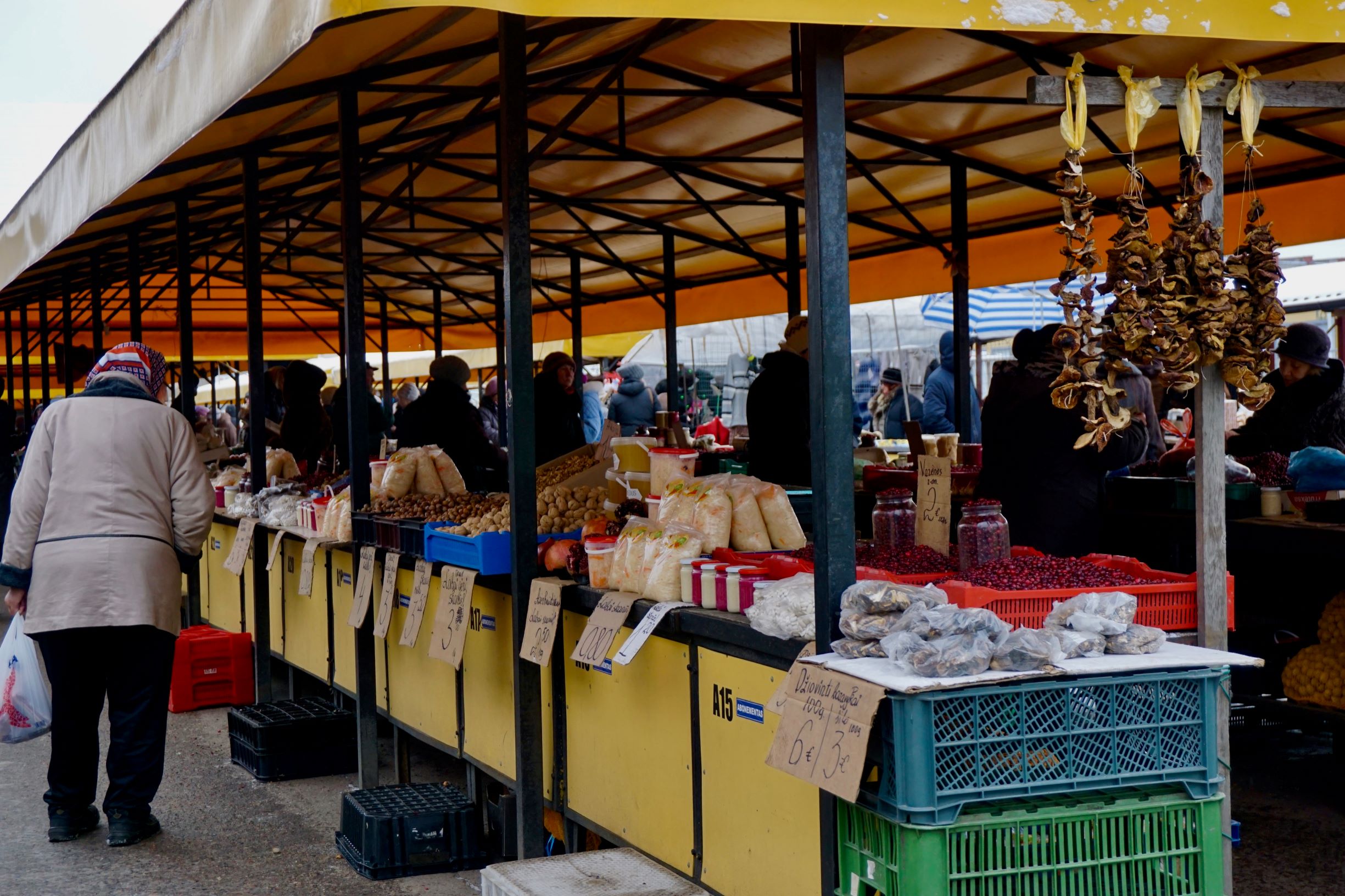 Like going back in time - wooden stalls in Kalvarijų market.
Kalvarijų Market is a lively and historic marketplace, first recorded around 1903. Over the years, it has grown into a bustling hub where you can find everything from fresh produce and baked goods to unique and unexpected treasures. While the market has undergone recent renovations, it still retains its authentic, old-school charm, making it a beloved spot for locals. Unlike the more tourist-focused Hales Market, Kalvarijų Market offers a traditional and down-to-earth shopping experience. Strolling through its colorful stalls, you'll be surrounded by vibrant displays and the lively energy of daily life in Vilnius.
Where? Kalvarijų str. 61, Vilnius
The Energy and Technology Museum
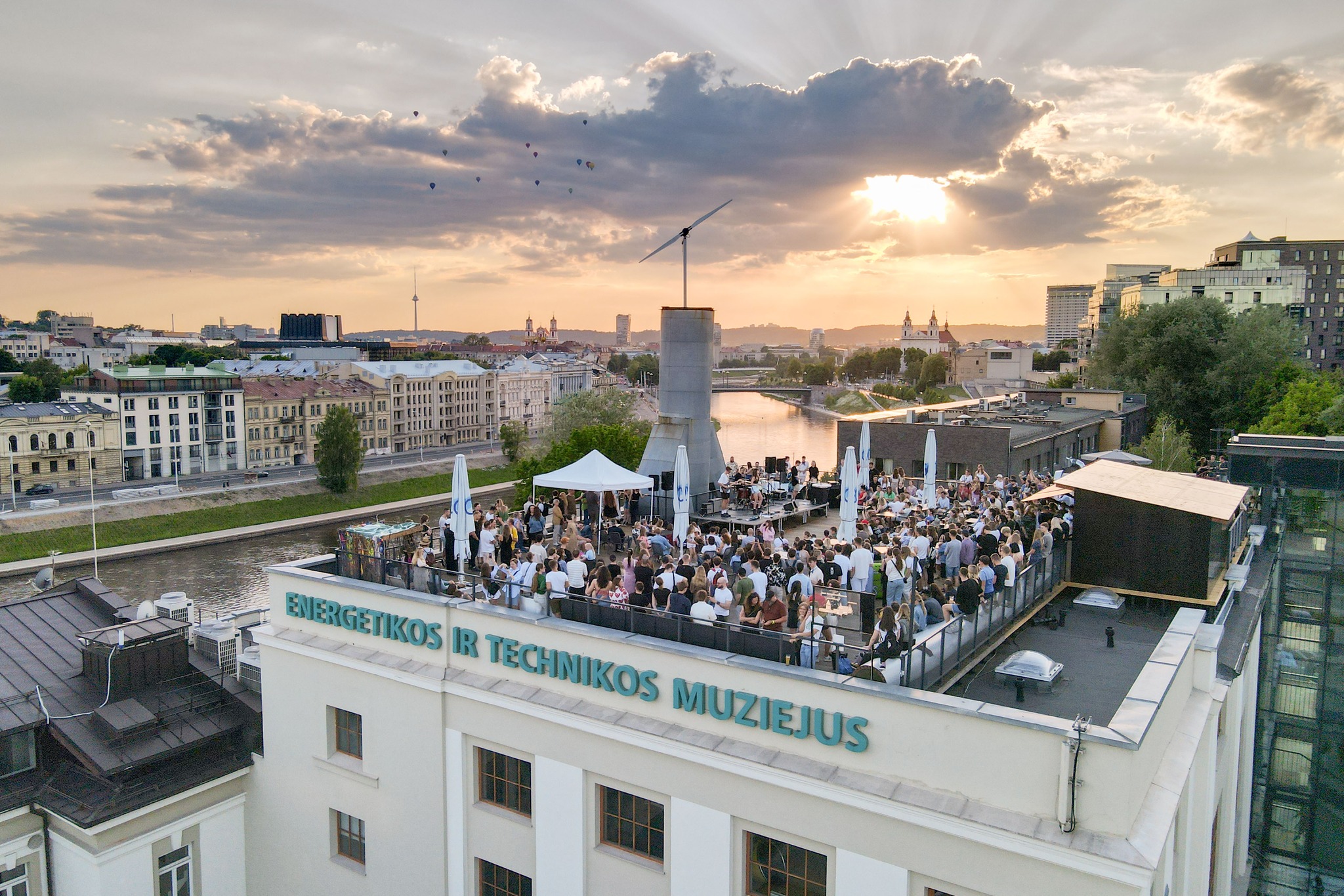 Free music concerts ar museum terrace are organised every summer weekend. Photo by Energy & technology museum Vilnius
The Energy and Technology Museum in Vilnius challenges the traditional idea of a museum. Once the city's first central power station, it now attracts visitors with its impressive industrial exhibits, featuring equipment from a 100 years old power plant. Visitors can explore steam boilers, turbines, and generators while learning about energy production. A new addition to the museum is its rooftop terrace, offering stunning, unseen views of Neris river and Gediminas tower. The terrace also hosts free concerts, yoga sessions, and guided tours on the city’s technological history. Since its expansion in 2008, the museum has grown to become Lithuania’s largest technical museum, offering a unique look at the past and future of energy.
Where? Rinktinės str. 2, Vilnius
More info: The Energy and Technology Museum
Jewish Cemetery in Šnipiškės
 The monument for the Old Jewish cemetery seen from Olimpiečių str.
Vilnius’ first Jewish cemetery, established in 1487, was located in Šnipiškės (Sznipiszok) near the Neris River. It served the community until 1831 when the Russian authorities repurposed the land for a fortress. Later, during Soviet rule, a swimming pool and sports arena were built on the site, erasing most traces of the cemetery. Today, a monument stands in front of the abandoned sports arena to honor those who were buried here, including the revered Jewish scholar, the Gaon of Vilna. This site reflects the complex history of Vilnius and its Jewish community.
If you're curious to learn more about Jewish cemeteries in Vilnius, be sure to check out our dedicated blog post:
Jewish Cemeteries in Vilnius
Where? Olimpiečių str., Vilnius
Vilnius Palace of Concert and Sports
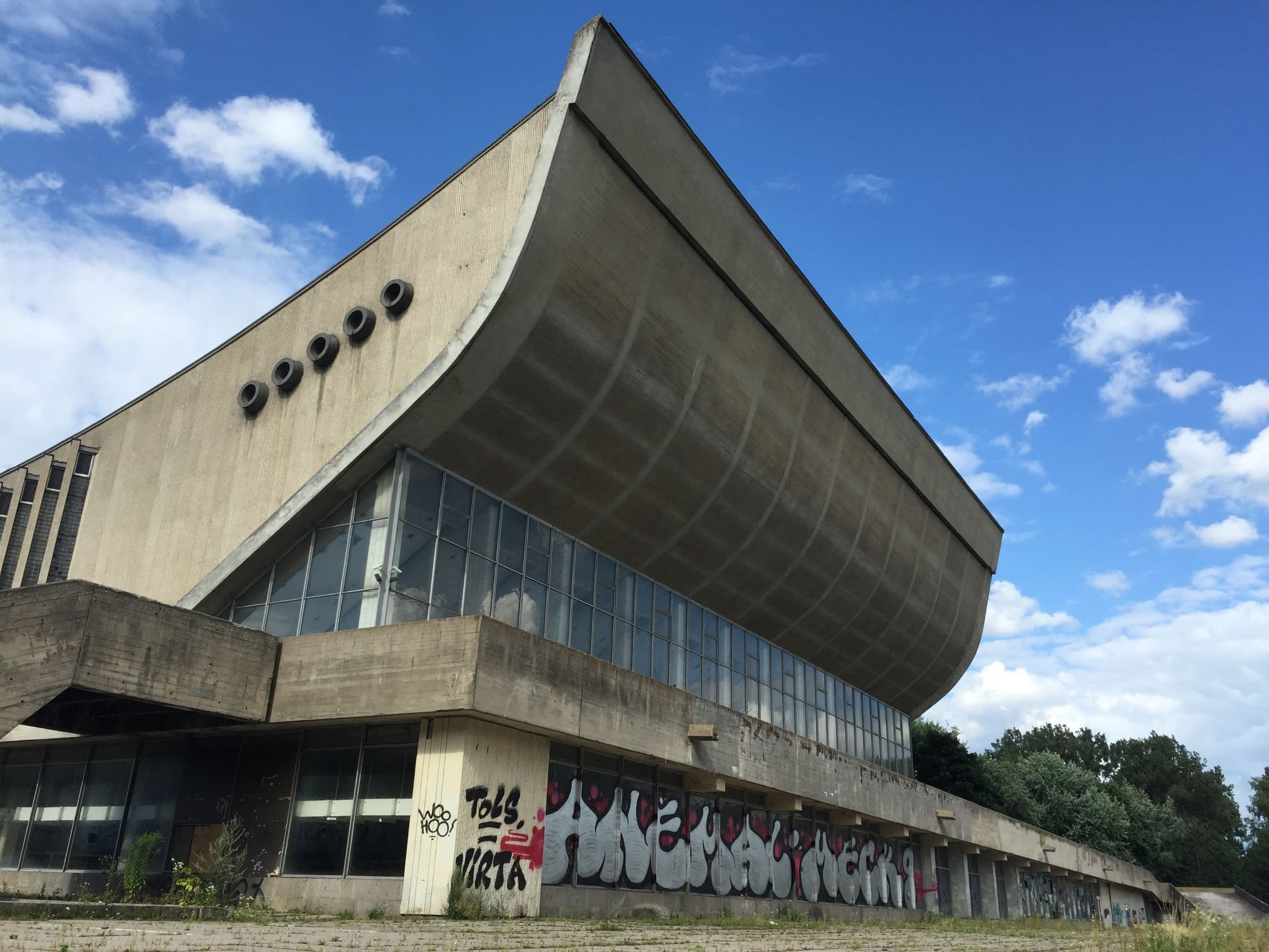 We visit this place on our Soviet Vilnius tour.
Built in 1971, the Vilnius Palace of Concert and Sports is a prime example of Soviet Brutalist architecture. Its innovative cable-stayed roof and dynamic silhouette make it stand out among similar buildings of its time. Once the centerpiece of a Soviet sports complex, this building remains a landmark in Vilnius’ skyline. Though no longer in use, it continues to intrigue architecture enthusiasts and history buffs alike.
If you're curious to learn more about late Soviet-era buildings in Vilnius, be sure to check out our dedicated blog post.
Late Soviet-era buildings
Where? Rinktinės str. 1, Vilnius
Žirmūnai
Žirmūnai is Vilnius’ first large-scale Soviet-era housing estate, designed in the 1960s. Divided into three micro-districts, it was celebrated for its innovative urban planning and even earned a USSR State Prize. Today, Žirmūnai offers a window into Soviet-era life, with its functional design and communal spaces. Strolling through the neighborhood reveals a mix of Soviet nostalgia and modern updates. It’s an essential stop for understanding the city’s mid-20th-century development.
Want to discover Žirmūnai at your own pace? Check out this self-guided tour! Neakivazdinis Vilnius: Self-guided tour of Žirmūnai
Tuskulėnai Peace Park
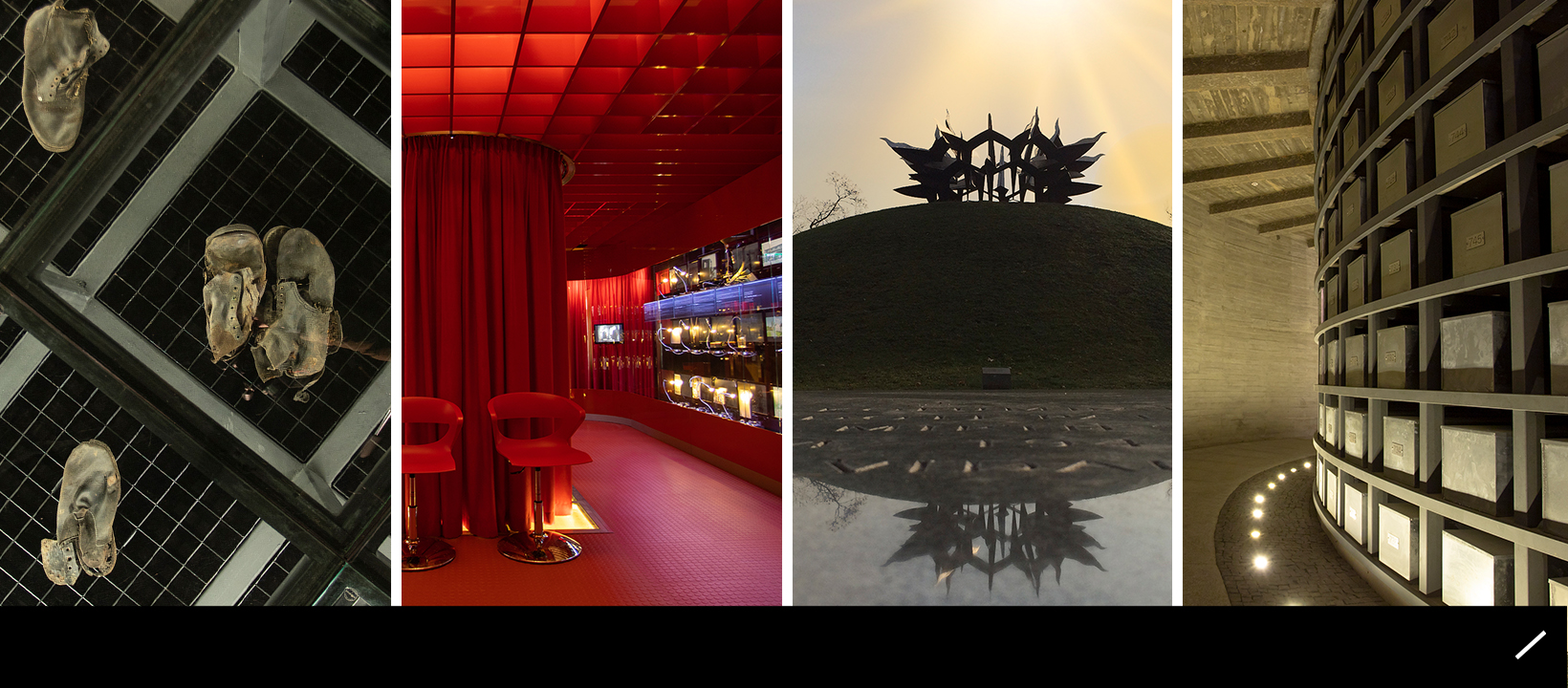 Photos from the "Homo Sovieticus" exhibition, and the permanent "Secrets of Tuskulėnai Manor" exhibition andThe Tuskulėnai Chapel. From The Memorial Complex of Tuskulėnai Peace Park Facebook page
The Memorial Complex of Tuskulėnai Peace Park connects two contrasting periods in Lithuanian history. Originally a royal manor from the 16th century, it later became the site of mass graves for those executed by the Soviet regime between 1944 and 1947. The park now hosts the "Project – HOMO SOVIETICUS" exhibition, which delves into the effects of the Soviet regime on the lives of individuals and society in Lithuania. The exhibition highlights the daily struggles, the creation of a new Soviet identity, and the impact of totalitarian rule on personal freedoms. This thought-provoking display offers insight into the paradoxes of Soviet life, exploring both the public and private aspects of life under the regime. Tuskulėnai Peace Park is a place to reflect on Lithuania’s complex and painful history while honoring those who suffered during this dark period.
Where? Žirmūnų str. 1F, Vilnius
More info: Tuskulėnai Memorial
Vilnius is a city where history, architecture, and everyday life intertwine in unexpected ways. From exploring the remnants of Soviet-era buildings in Žirmūnai to reflecting on the past at Tuskulėnai Peace Park, there's a deeper layer to the city that often goes unnoticed. In neighborhoods like Šnipiškės, where old wooden houses sit alongside modern skyscrapers, you can witness how the city has evolved over time. Visiting local spots like Kalvarijų Market also offers a more authentic view of Vilnius, where locals live and work, far from the tourist crowds. We invite you to join our Soviet Vilnius tour to explore some of these hidden aspects of the city. It's a chance to discover Vilnius from a fresh perspective and uncover the stories that have shaped its unique character.
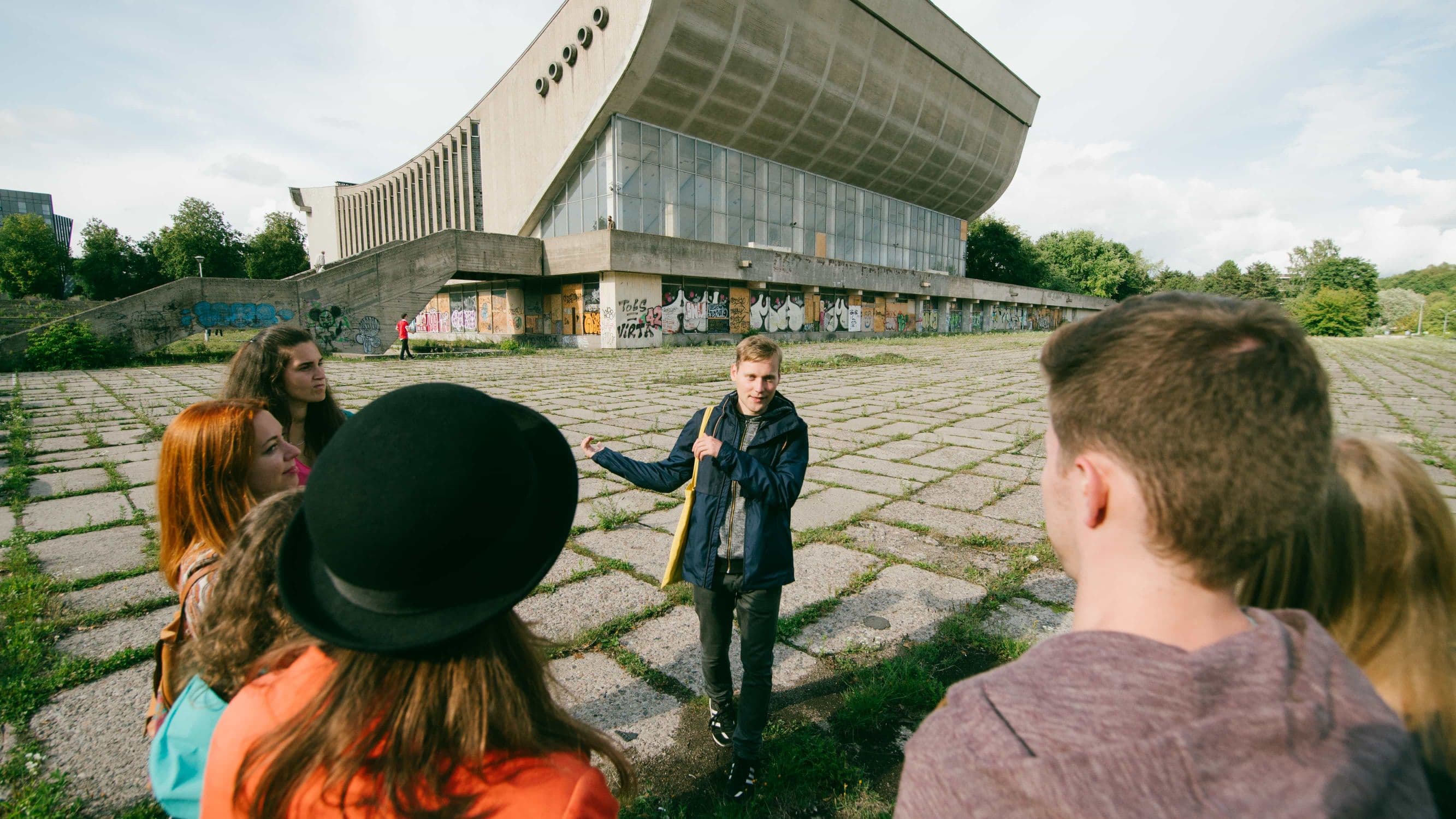 Šarūnas leading Soviet Vilnius walking tour. Photo by Vilnius with Locals.